Geneva, Switzerland, 10 March 2026- /African Media Agency (AMA)/- Burundi is facing a growing humanitarian emergency as thousands of people fleeing violence in eastern Democratic Republic of the Congo continue to cross the border, placing increasing strain on health services and infrastructure in refugee-hosting communities.
Since late 2025, more than 100 000 people have arrived in Burundi, most of them women and children, escaping armed violence in South Kivu. Settled in camps, they require urgent assistance including health, food, shelter, safe water and sanitation as well as protection.
The situation is unfolding alongside other challenges affecting the country. Burundi continues to face food insecurity, climate-related displacement caused by floods and landslides, and outbreaks of diseases such as cholera and mpox. Health facilities in affected districts are reporting rising consultations as they work to provide care for both displaced families and local communities.
“Burundi’s solidarity in hosting people fleeing crisis across the border is remarkable,” said Dr Marie Roseline Darnycka Belizaire, Emergencies Director at the World Health Organization (WHO)Regional Office for Africa. “WHO is supporting national authorities to expand health services and strengthen preparedness efforts.”
During a recent visit to Burundi, WHO Regional Director for Africa Dr Mohamed Janabi met with the national authorities and partners to review the situation and reinforce support for the country’s health response.
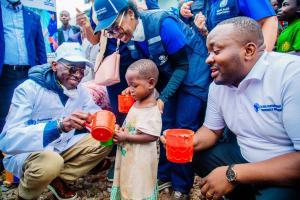
At the Busuma refugee site, which hosts more than 75 000 refugees living in extremely difficult conditions, Dr Janabi witnessed firsthand the scale of humanitarian needs and the efforts underway to provide displaced families with essential health services.
“No family should be left without access to health care simply because they have been forced to flee their homes,” said Dr Janabi. “WHO remains committed to supporting Burundi to deliver lifesaving health services to refugees and host communities while strengthening preparedness for future health threats.”
To support the refugees and host communities, WHO has established a health post at the site and deployed mobile clinic services. Since its establishment, the facility has provided more than 16 000curative consultations, supported 78 safe deliveries, and vaccinated over 28 000 children against measles. Health teams have also provided mental health and psychosocial care and identified several cases of malnutrition, ensuring patients are referred for appropriate treatment.
These services are helping ensure that families who have fled violence receive timely care, including treatment for common illnesses, maternal health services, vaccination and mental health support.
WHO is also working closely with the Government of Burundi and partners to strengthen disease surveillance, vaccination and community engagement in areas affected by displacement and overcrowding.
During the visit, Dr Janabi met with His Excellency President Evariste Ndayishimiye, the President and expressed gratitude for the country’s generosity in hosting refugees and pledged solidarity with the government to address the health and humanitarian challenges.
Dr Janabi also met with the First Lady of Burundi, Her Excellency Angeline Ndayishimiye, to discuss collaboration between the Office of the First Lady and WHO on advancing national health priorities, particularly maternal and child health.
In discussion with the Minister of Public Health, Dr Lydwine Baradahana, Dr Janabi and his team committed to supporting the government to strengthen health services and responding to emergencies. WHO handed over 24 tonnes of essential medicines to support the cholera response, as well as three vehicles to reinforce emergency health response and improve service delivery in the affected areas.
As Burundi works to address the growing humanitarian and health needs, WHO and its partners remain committed to supporting the efforts to expand access to essential health services, prevent disease outbreaks and strengthen the resilience of the national health system.
Distributed by African Media Agency (AMA) on behalf of World Health Organisation.
The post WHO supports Burundi to deliver lifesaving emergency health assistance appeared first on African Media Agency.